File-owned landing content
The landing page title, summary, narrative, and metadata now load from content/docs/en/docs.yaml.
 Connect+
Developer docs
A file-backed docs landing page for product, firmware, app, cloud, and operations teams.
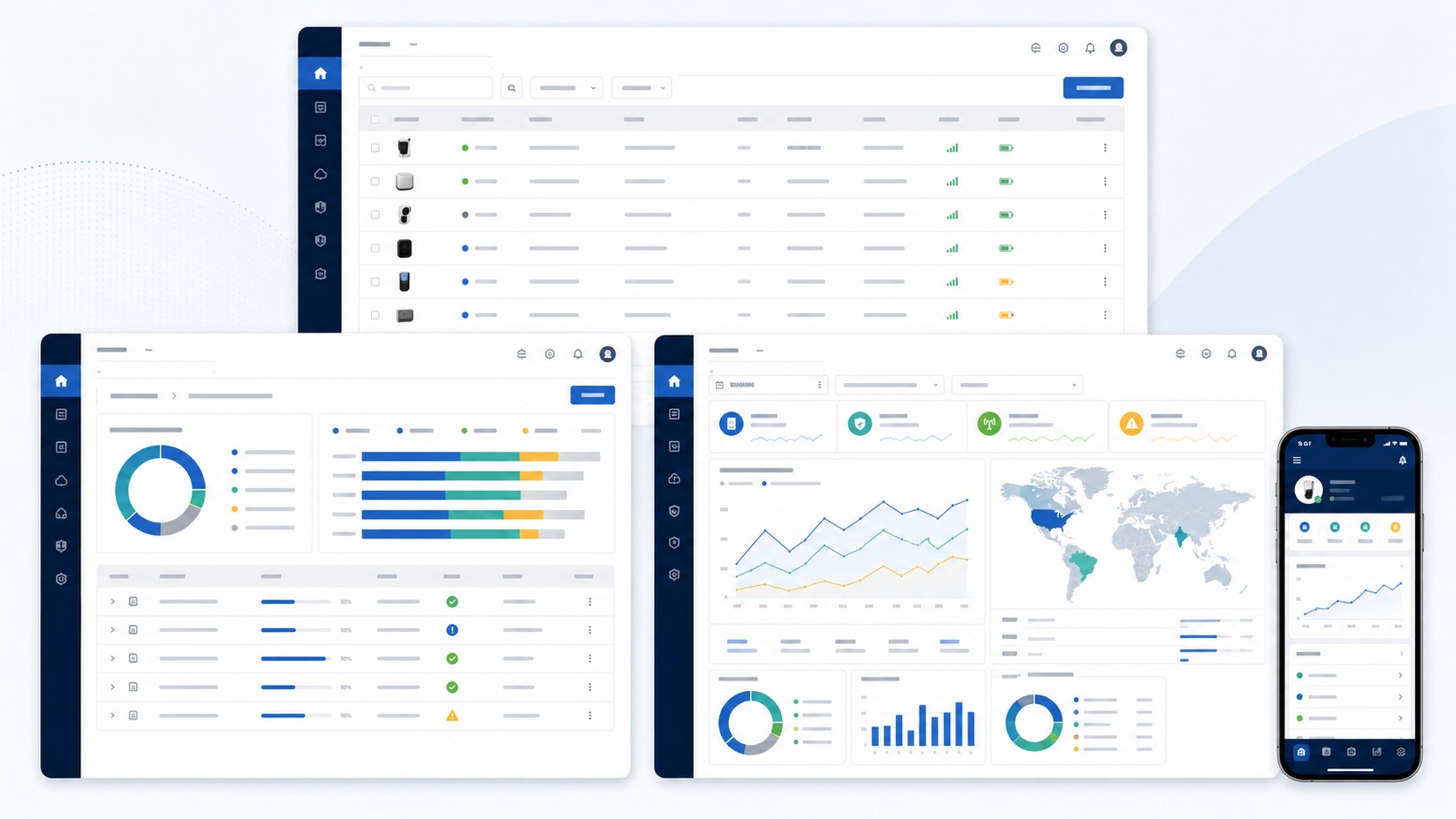
Realtek Connect+ keeps the first documentation landing page intentionally small while the deeper docs sections remain server-rendered from the existing catalog.
This source-backed page gives the team a place to iterate on docs landing content without migrating feature pages or detail docs in the same release.
Portal structure
Position the platform before diving into implementation.
Platform architecture, capability map, and commercial packaging guidance for Realtek Connect+ evaluations.
Organize firmware, cloud, and app workstreams around one delivery plan.
Environment setup, team responsibilities, and implementation tracks for device, cloud, mobile, and operations teams.
Expose cloud capabilities through structured integration surfaces.
REST, MQTT over TLS, webhook, and service contract documentation entry points for external systems.
Document the developer surfaces used to build connected product experiences.
Mobile SDK, firmware SDK, reusable client components, and reference samples for branded product delivery.
Clarify what the device software stack must provide.
Provisioning, identity, telemetry, OTA agent, and diagnostics expectations for device firmware teams.
Support operators and developers with repeatable command-line workflows.
Command-line entry points for local testing, release preparation, fleet actions, and support diagnostics.
Document the production runtime profile behind evaluation and commercial deployments.
Production deployment profile, persistent SQLite storage, reverse proxy TLS, health checks, backup/restore, and rollback notes.
Track product evolution across firmware, cloud, app, and ops surfaces.
Versioned change logs, upgrade notes, compatibility statements, and rollout communication patterns.
The landing page title, summary, narrative, and metadata now load from content/docs/en/docs.yaml.
Traditional Chinese and Simplified Chinese files live beside the English source and can be refreshed without changing templates.
Operators can reload the in-memory content cache through the protected admin refresh endpoint.
Why this matters
Give product, sales, and engineering stakeholders one place to understand lifecycle scope before implementation deep-dives.
Separate firmware, API, mobile SDK, deployment, and release concerns so each team can navigate directly to its implementation surface.
Keep the docs portal compatible with the current Go templates and server-rendered architecture while leaving space for deeper follow-on content.